
Identity, Origins and Formation
Roseline Layo was born on 21 December 1993 in Man, a mountainous town in western Côte d’Ivoire shaped by Dan/Yacouba cultural traditions. Her musical development did not begin in formal training environments but within communal spaces, family courtyard singing and evangelical church worship gatherings where projection, repetition and memorization replaced academic vocal theory.
Her formal education ended at primary level (CM2) due to financial limitations. Instead of ending artistic growth, that interruption redirected it. Choir participation strengthened breath control and tonal endurance, forming the base of her vocal delivery. In late adolescence she relocated to Abidjan and worked as a seamstress, daily interacting with ordinary people whose conversational patterns later became the linguistic texture of her songwriting.
Television Exposure and Stage Apprenticeship
Her first national visibility came in 2014 when she reached the final of the television competition Star Karaoké. Rather than technical vocal exhibition, she performed with a narrative approach closer to spoken storytelling. She finished third but gained entry into live performance circuits.
She subsequently joined the all-female orchestra Bella Mondo, performing across ceremonies, clubs and public events. The experience refined stage endurance, crowd reading and improvisational phrasing typical of Zouglou performance culture. Between 2014 and 2018 she accumulated extensive live hours and even performed in Geneva and Paris years before mainstream recognition.
Solo Transition and Breakthrough
Her solo career developed gradually through small Abidjan venues where she tested material directly before audiences. This process produced the 2021 record “Donnez-nous un peu”, structured as a social conversation rather than a conventional pop composition. The song circulated widely on radio and digital platforms, connecting both youth and adult listeners.
Subsequent releases including “C’est la même phase”, “Aweman Napié” and “Kinoué” expanded thematic coverage while maintaining her conversational delivery. Instead of trend-driven genre shifts, she focused on gratitude, relationship tension and survival humor from a female narrative perspective within a traditionally male storytelling space.
Album Era and Recognition
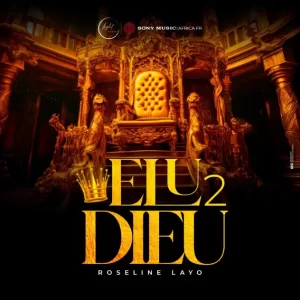
Her debut album Élus de Dieu (2023) combined spiritual gratitude with everyday narration and surpassed ten thousand physical copies alongside tens of millions of streams, earning gold certification in both Côte d’Ivoire and France.
- Best Emerging Artist – Trace Awards 2023
- PRIMUD distinctions in urban variety category
Unlike viral singles dependent on online trends, her catalogue gained durability through everyday public usage — weddings, transport vehicles and informal gatherings — a key longevity indicator within West African music ecosystems.
Artistic Language and Style
Roseline Layo operates inside Zouglou structure while modifying its narrative center. Her songs use spoken dialogue patterns rather than literary metaphor, allowing phrases to migrate easily into daily conversation. Gospel-like gratitude appears alongside secular storytelling, reflecting everyday spirituality common in urban Ivorian life.
| Traditional Zouglou | Layo’s Adaptation |
|---|---|
| Male social satire | Personal lived narration |
| Chant-driven chorus | Speech-like melodic lines |
| Political commentary | Domestic realism |
| Collective storytelling | First-person testimony |
Personal Life
She married her manager David Gnahou on 1 October 2022 in Abidjan and balances motherhood with touring schedules. Later releases reference responsibility, provision and marital appreciation rather than abstract romance themes. Faith remains a recurring narrative element rather than branding imagery.
Position in Contemporary Ivorian Music
Roseline Layo’s impact lies in perspective shift, a female-centered narrative voice inside a historically male-led storytelling genre. Her rise followed grassroots audience adoption before digital export, demonstrating an alternative success pathway built on community familiarity rather than marketing launch cycles.
Her career progression from seamstress and choir singer to certified recording artist illustrates a performance-driven model of African music development grounded in audience relatability and lived experience narration.