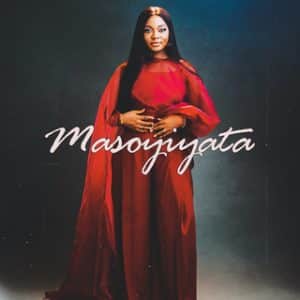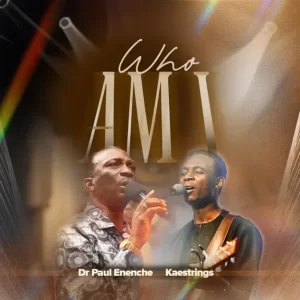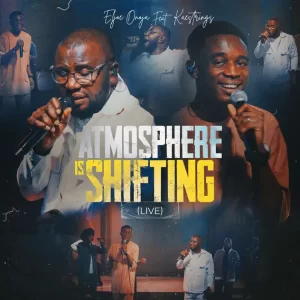

Among the voices reshaping contemporary African worship, Kaestrings stands out for his unmistakable blend of acoustic simplicity, spiritual depth, and Northern Nigerian cultural expression. Known for leading worship moments that emphasize God’s presence over performance, he has grown from a local church minister in Kaduna State into one of the most respected gospel voices across Nigeria and beyond.
Early Life and Background
Kaestrings was born Kingsley Innocent Owoicho-Oche on November 24, 1993. He hails from the Idoma ethnic group of Benue State, Nigeria, although he was born and raised in Zaria, Kaduna State. Growing up in Northern Nigeria exposed him to a unique blend of cultures, languages, and Christian traditions that would later become evident in his music and ministry.
His childhood was rooted in a Christian environment where worship was more than a church activity it was part of daily life. From an early age, he showed a deep interest in music and actively participated in church programs and choir activities. These formative experiences laid the foundation for a ministry that would eventually reach thousands of worshippers across different nations.
Education
Kaestrings completed his primary and secondary education in Kaduna State before gaining admission into Ahmadu Bello University (ABU), Zaria. There, he studied Fine Arts with a specialization in Art History.
His artistic training extended beyond music. He developed skills in drawing, design, sketching, and visual creativity, disciplines that contributed to his appreciation for beauty, symbolism, and intentional expression. These influences can be seen in the thoughtful nature of his songwriting and ministry presentations.
The Origin of the Name “Kaestrings”
The name “Kaestrings” is derived from his first name, Kingsley, combined with “Strings,” a reference to the acoustic guitar that has become a defining feature of his ministry. Unlike many contemporary artists who rely on elaborate production, Kaestrings became known for worship sessions built around acoustic instrumentation, heartfelt lyrics, and spontaneous expressions of devotion.
Ministry Journey
Kaestrings began active ministry during his university years, ministering in fellowships, churches, and worship gatherings across Northern Nigeria. While many gospel musicians pursue visibility through entertainment platforms, his journey developed primarily through grassroots ministry and local worship communities.
His ministry gained wider recognition through his association with the ministry of Apostle Joshua Selman and Eternity Network International (ENI). Through conferences, worship meetings, and revival gatherings, his songs began reaching audiences far beyond Northern Nigeria.
What distinguished him from many emerging ministers was his ability to create worship atmospheres marked by sincerity rather than spectacle. His songs often focus on intimacy with God, surrender, reverence, and the reality of God’s presence.
Breakthrough and Rise to Prominence
Although Kaestrings had been ministering for several years, his profile expanded significantly through the release of “Gashina”, a worship song whose title translates from Hausa as “He Is Here.”
The song resonated deeply across churches and prayer communities because of its simplicity and spiritual intensity. Its influence grew even further after being featured during global online worship gatherings, introducing his ministry to audiences across Africa, Europe, North America, and other parts of the world.
Following the success of “Gashina,” Kaestrings became increasingly recognized as one of the leading voices emerging from Nigeria’s revival and worship movement.
Musical Style and Worship Philosophy
Kaestrings’ music is characterized by a deliberate emphasis on worship rather than performance. His songs often feature acoustic arrangements, reflective lyrics, and multilingual expressions that incorporate English, Hausa, and other Nigerian influences.
Several elements distinguish his musical approach:
- Acoustic guitar-driven worship.
- Strong emphasis on congregational participation.
- Hausa-inspired worship expressions.
- Minimalist production that prioritizes spiritual engagement.
- Themes centered on God’s presence, love, faithfulness, and lordship.
- Songs designed for both personal devotion and corporate worship.
This approach has allowed his music to transcend denominational boundaries, making it accessible to believers from diverse Christian traditions.
Popular Songs
Over the years, Kaestrings has built an impressive catalog of worship songs that continue to impact churches and Christian communities worldwide.
- Gashina
- Tare
- Broken
- Love
- You Are God
- With My Hands
- Rahama
- Ga Shi Nan
- Haske
Many of these songs have become staples in worship meetings, prayer conferences, and personal devotional settings.
Marriage and Family
Kaestrings is married to Victoria Emmanuel. The couple got married on November 6, 2021, in a ceremony attended by family members, friends, and ministry associates.
Their marriage reflects a shared commitment to faith, service, and ministry. Despite his growing public profile, Kaestrings maintains a relatively private family life, choosing to keep much of his personal affairs away from unnecessary public attention.
Influence on Contemporary Gospel Music
Kaestrings represents a generation of gospel ministers who have demonstrated that worship can remain culturally authentic while reaching a global audience. Through his use of Hausa expressions, acoustic arrangements, and revival-centered themes, he has contributed significantly to expanding the visibility of Northern Nigerian worship within the broader African gospel landscape.
His ministry has inspired countless young worship leaders, songwriters, and musicians who desire to prioritize spiritual depth over commercial trends.
Beyond music, he is widely regarded as a minister whose life and work encourage believers to pursue a deeper relationship with God through sincere worship and devotion.
Legacy and Continuing Ministry
As his influence continues to grow, Kaestrings remains one of the most important voices in contemporary African worship. His songs are sung in churches, conferences, prayer gatherings, and homes across different nations, reflecting a ministry that extends far beyond recordings and performances.
Through a combination of theological depth, cultural authenticity, and unwavering commitment to worship, Kaestrings has established a lasting place within Nigeria’s gospel music history. His journey illustrates how genuine devotion, consistency, and faithfulness can transform local ministry into a movement that impacts lives across the world.