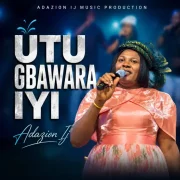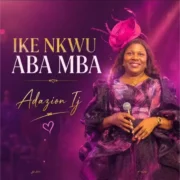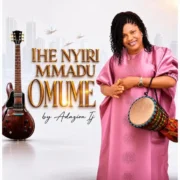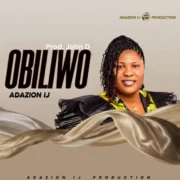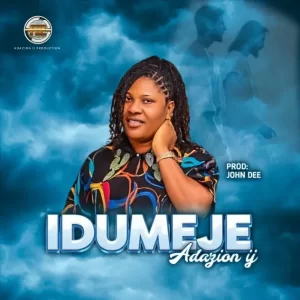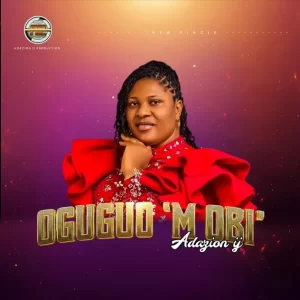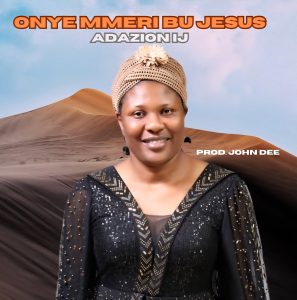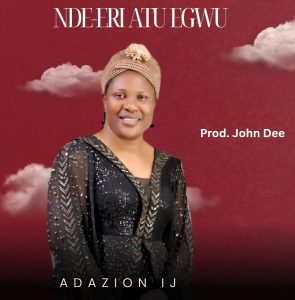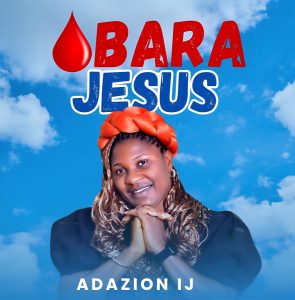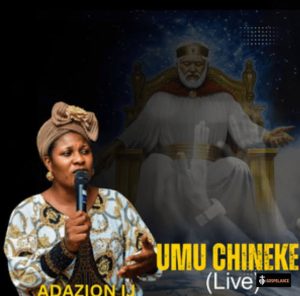

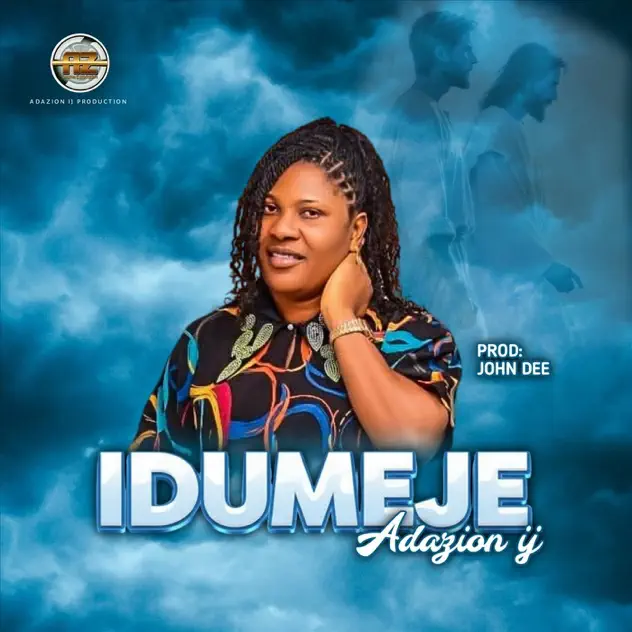
Adazion IJ, born Ijeoma Ikweatu Agu, is a Nigerian gospel minister, recording artist, and prophetic leader whose work has become closely associated with indigenous Igbo worship music. Over the years, she has developed a distinctive presence within the Nigerian gospel landscape by combining faith based messages with cultural expressions that reflect the language, values, and spiritual traditions of her roots. Her approach has allowed her music to connect with audiences who appreciate worship that feels both spiritually meaningful and culturally familiar.
Early Life and Background
Ijeoma Ikweatu Agu was born in Anambra State, Nigeria, where she spent her formative years within a Christian environment that played a significant role in shaping her worldview. Her upbringing exposed her to church activities, communal worship, and the rich musical traditions of southeastern Nigeria. These early influences would later become foundational elements of her ministry and musical identity.
Unlike many artists whose careers begin with a deliberate pursuit of the music industry, Adazion IJ’s public journey emerged through a combination of spiritual service and worship leadership. Her development as a minister preceded her widespread recognition as a recording artist, giving her work a strong ministry centered foundation that continues to define her career.
Ministry and Spiritual Calling
One of the defining characteristics of Adazion IJ’s career is the close relationship between her ministry activities and her music. Rather than treating songs as separate creative products, she presents them as extensions of worship, prayer, and spiritual expression. This perspective has shaped both her message and her audience, attracting listeners who engage with her music as part of their personal faith experience.
She is the founder of My Redeemer Liveth Zion Adoration Ministry, a platform through which she carries out evangelical activities, worship programs, and community outreach initiatives. Through this ministry, she has built a reputation that extends beyond music, establishing herself as a faith leader whose influence reaches various Christian communities within and outside Nigeria.
Music Career and Rise to Recognition
Adazion IJ gained broader recognition through songs that resonated strongly with grassroots audiences, church congregations, and online listeners. Her music stands out because of its deliberate use of indigenous language, accessible storytelling, and themes that reflect everyday realities faced by many believers.
Several songs contributed to her growing visibility, including Carry Me Dey Go My Husband House, Okechi, Zam, Dalu Ezichim, Onyike Jesus, Ojemba, and Kam Chelu Ebube. These recordings helped introduce her ministry to audiences beyond her immediate community and strengthened her position within the indigenous gospel music scene.
Rather than relying primarily on contemporary trends, Adazion IJ built her audience through consistency, cultural authenticity, and messages that reflected the hopes, prayers, and experiences of ordinary people. This approach has allowed her songs to remain relevant across different settings, from worship gatherings and revival meetings to family celebrations and personal devotion.
Musical Style and Themes
Adazion IJ’s music is characterized by a strong connection to Igbo cultural identity. Her songs frequently incorporate indigenous expressions, traditional vocal patterns, and worship elements that create a familiar atmosphere for listeners. This cultural grounding has become one of the most recognizable aspects of her artistic identity.
Across her body of work, recurring themes include gratitude, divine intervention, perseverance, faith during difficult seasons, family aspirations, and confidence in God’s power. These subjects reflect experiences that many listeners encounter in daily life, helping her music maintain a strong emotional and spiritual connection with its audience.
Her ability to blend cultural relevance with spiritual content has enabled her to occupy a unique space within Nigerian gospel music, particularly among listeners seeking worship experiences that remain connected to their heritage.
Impact on Indigenous Gospel Music
Adazion IJ’s contribution extends beyond individual songs. Her career represents a broader movement within Nigerian gospel music that demonstrates the enduring value of indigenous language and cultural expression. At a time when many artists increasingly adopt globalized styles, she has remained committed to preserving local identity within her worship music.
This commitment has helped expand the visibility of indigenous gospel recordings and encouraged greater appreciation for culturally rooted worship experiences. Her success illustrates that authenticity and cultural relevance can coexist with widespread audience appeal.
Legacy and Continuing Influence
As both a gospel artist and ministry leader, Adazion IJ has built a career that reflects consistency, spiritual commitment, and cultural preservation. Her work continues to serve as an example of how indigenous expression can remain influential within a rapidly evolving gospel music industry.
Through her recordings, ministry activities, and dedication to faith based service, she has established a lasting presence among audiences who value worship that speaks to both spiritual conviction and cultural identity. Her journey continues to contribute to the ongoing growth and recognition of indigenous gospel music in Nigeria and beyond.