Boney M. is a German-based disco and pop group that became internationally famous during the 1970s. Known for infectious rhythms, memorable melodies, colourful costumes and energetic performances, the group became one of the defining acts of the disco era. Their music combines elements of disco, pop, reggae, soul and Caribbean-influenced sounds, helping them reach audiences across Europe, Africa, Asia and beyond.
Created by German music producer Frank Farian, Boney M. became widely known for hit songs such as Daddy Cool, Ma Baker, Rivers of Babylon, Rasputin, Sunny and Mary’s Boy Child – Oh My Lord. Decades after their breakthrough, these recordings remain familiar to listeners across different generations.
The Beginning of Boney M.
The story of Boney M. began in 1974 when Frank Farian recorded a dance track titled Baby Do You Wanna Bump. He released the recording under the name Boney M., and its reception encouraged him to develop a group that could perform the music on television and on stage.
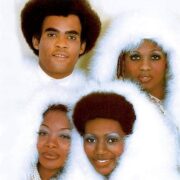
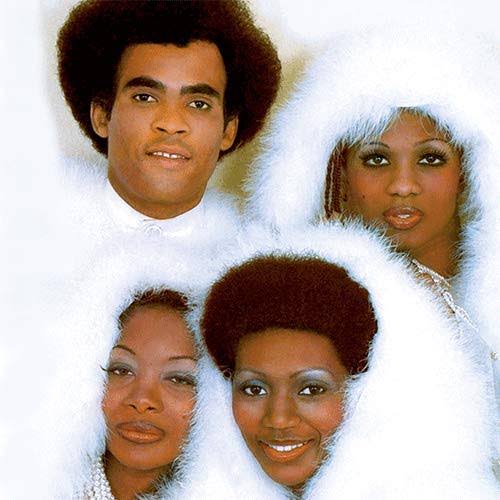
The name was inspired by the Australian television crime series Boney. Farian subsequently assembled the performers who became associated with the group’s classic lineup: Liz Mitchell, Marcia Barrett, Maizie Williams and Bobby Farrell. The group developed its identity through a combination of studio production, strong vocals, distinctive dancing and a recognisable visual style.
Their breakthrough came with Daddy Cool, released in 1976. The song attracted international attention and helped establish Boney M. as a major name in European disco. The success of subsequent releases expanded their audience and made them one of the most recognisable groups of the late 1970s.
Members of Boney M.
The classic Boney M. lineup brought together four performers from the Caribbean, each contributing to the group’s public identity and performances.
Liz Mitchell was born in Jamaica and became one of the principal female vocalists associated with Boney M.’s recordings. Her distinctive voice played an important role in the group’s best-known songs. She has continued to perform music associated with Boney M. in later years.
Marcia Barrett, also from Jamaica, contributed vocals to the group’s recordings and became an important member of the classic lineup. Her work helped shape the vocal sound associated with Boney M.
Maizie Williams was born in Montserrat. She became known for her stage presence, dancing and contribution to the group’s visual identity. Williams has also maintained a performing career associated with Boney M.
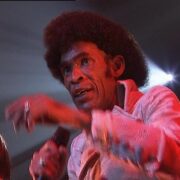
Bobby Farrell, born in Aruba, was the group’s most recognisable male performer. His energetic dancing, expressive movements and flamboyant stage presence became a major part of Boney M.’s live appeal. Farrell died in December 2010.
Behind the scenes, Frank Farian remained central to the group’s recording process. He produced much of their music and performed the deep male vocal parts on many of the classic recordings, an aspect of Boney M.’s history that distinguished its studio sound from its stage performances.
Biggest Songs and Commercial Success
Boney M. enjoyed a remarkable run of successful singles and albums during the second half of the 1970s. After Daddy Cool, the group released Sunny, a disco interpretation of Bobby Hebb’s earlier song, followed by Ma Baker and Belfast.
In 1978, the group reached another major milestone with Rivers of Babylon, paired with Brown Girl in the Ring. The release became a major commercial success in the United Kingdom and other markets. Their album Nightflight to Venus also performed strongly, helping cement their international reputation.
Another defining recording was Rasputin, a dance track built around the historical figure Grigori Rasputin. Its lively rhythm, memorable chorus and storytelling lyrics made it one of the group’s signature songs.
Boney M. also became closely associated with Christmas music through Mary’s Boy Child – Oh My Lord. The release combined a Christmas theme with the group’s familiar disco sound, giving it lasting appeal during the festive season.
Other notable recordings include Hooray! Hooray! It’s a Holi-Holiday, Gotta Go Home and El Lute. Together, these songs helped establish a catalogue that continues to be played on radio, at parties, in clubs and during celebrations.
Musical Style and Influence
Boney M.’s music was built around danceable rhythms, catchy choruses, layered vocals and polished production. Disco was central to their sound, but their recordings also drew on reggae, soul, pop and Caribbean musical influences.
Their visual presentation was equally important. Colourful costumes, choreographed dancing and dramatic television performances helped make the group memorable beyond the music itself.
Their repertoire also covered different subjects. Rivers of Babylon draws on biblical language and the experience of exile, while Mary’s Boy Child – Oh My Lord celebrates the birth of Jesus Christ. Other songs use historical storytelling, romance or light-hearted themes. This variety helped Boney M. reach listeners with different musical interests.
Later Years and Lasting Legacy
Boney M.’s original period of success eventually came to an end in the 1980s, although the music and the group’s name continued through later performances, reunions and different lineups. Members also pursued individual projects, while Liz Mitchell remained closely associated with the group’s classic repertoire.
Bobby Farrell’s death in 2010 marked a significant moment in the group’s history. Nevertheless, Boney M.’s recordings continued to find new audiences through radio, streaming services, television and social media. Songs such as Rasputin have also reached younger listeners through renewed online popularity.
The group’s legacy rests on more than nostalgia for the disco era. Boney M. created a catalogue that brings together dance music, distinctive performances, memorable storytelling and songs with religious and cultural themes. Their music continues to connect generations, keeping the group’s place in international pop history alive.